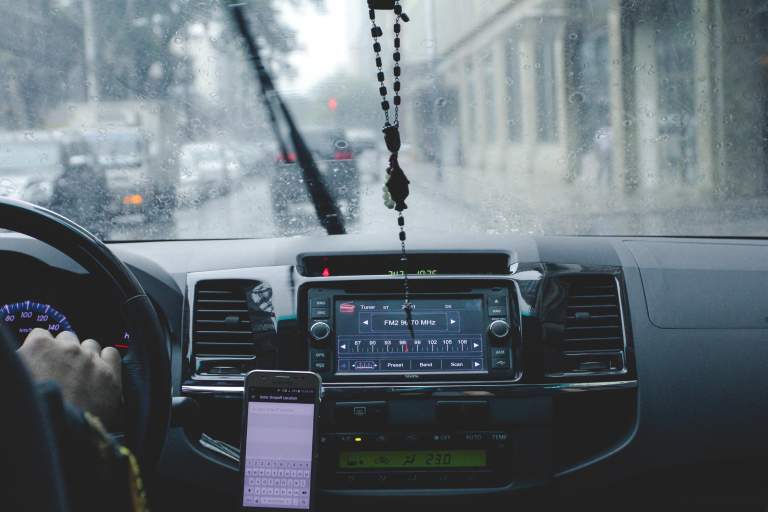
A key issue in the industry today is how to convince customers to install telematics in the first place. There are many different reasons why they may (or may not) want to use such a device, but a typical motivator is price. Someone who is price sensitive and looking for a discount may go for a programme where they can save on their auto policy if they do not drive many miles.
The entire industry can embrace this creative mindset and think about other motivators to encourage consumers to install telematics. For instance, a ‘peace of mind’ app could be very attractive to parents who could track information about how their children are driving, or to view, in real time, if they have taken the car out in the first place. Or telematics data could be used as a way to coach novice drivers to drive safely. Offers like these cannot be replaced by another insurer simply offering a discount on telematics, because they create deeper value for the customer’s actual lifestyle.
A fast track claims app is another valuable tool in the case of a traffic accident. A crash is traumatic enough without the added burden of thinking about the claim. Using an app can make the situation smoother by guiding the user to tell them what to do at the scene of the crash and how to go through the claims process.
Insurers can also be creative with pricing. For example, they can create an offer where those customers who use the telematics app to complete the claims process will receive the money within 30 days. This type of programme can be powerful persuasion when it comes to getting consumers to install telematics.
Future Trends in Telematics
Constantina Panayidou, Head of Actuarial Non-Life Pricing at ERGO Hellas, recently spoke about telematics at Earnix’s annual Excelerate Summit. “Telematics are providing attractive solutions to customers beyond the awareness of driving behaviour and the use of loyalty programmes,” she said. “Telematics are not limited to the obvious ideas, but can help through secondary factors … such as becoming a sustainable driver, avoiding harsh braking, and achieving greater fuel efficiency.
Telematics provides the ability to locate a vehicle in real time, which explains why it is so widely used in fleet management. Yet telematics can be used as a real-time offering with additional services such as automatic collision notification and emergency medical and roadside assistance. Telematics can even act as a preventative measure against the possibility of theft or at a later stage as a mitigation solution.
The value of telematics can be taken a step further. For example, by clustering data gained from telematics, insurers can go beyond simply relating to the kinds of customers they have and begin to segment them.
Imagine the case where an insurance company has a group of drivers with high mileage and a low telematics score. This scenario now gives them a chance to think about how to approach them. How can they reduce their risk? Should the insurer give them a special offer? Should they even keep this segment of drivers on their books? These are all valid questions and key aspects to consider by tapping into the wealth of telematics data.
Capitalise on All That Telematics Has to Offer