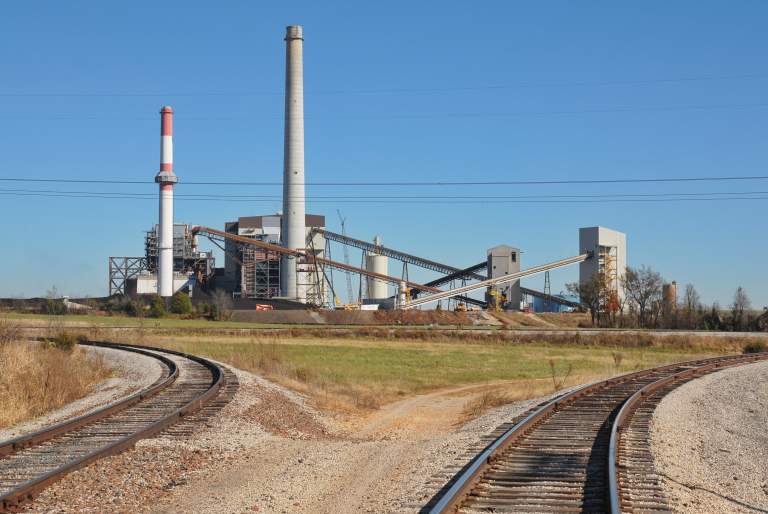
Earnix has been addressing the impacts of climate change and how insurers can prepare for it for some time.
For example, at the Earnix Excelerate Summit in 2021, guest speaker Seth Rachlin, Executive Vice President and Global Insurance Leader at Capgemini, included a number of climate-related initiatives in his predictions about insurer priorities.
Even with a seemingly-infinite set of choices for how to apply technology to climate change, there are some that have been proven by Earnix in other areas of insurance – such as rating, pricing and underwriting – and can be applied to climate as well.
“Know Thy Customers” – the Role of Data and Analytics
We have addressed extensively the key role of data and analytics related to other elements of the insurance value chain.
Here is an action list that applies specifically to climate change initiatives related to customers and prospects:
By collecting and analyzing data on past natural disasters, insurers can use machine learning (ML) algorithms to identify patterns and trends that can help them better predict the likelihood, location, and severity of future events.
Data analytics, artificial intelligence (AI) and ML can be used to model the impacts of different scenarios, and to evaluate the potential risks and costs associated with climate-related events across broad regions (drought in the American Midwest or floods in Asia, for example).
When combined with climate models around issues such as sea level rise, insurers can more accurately assess their exposure across geographies and portfolios, to assess these risks and take proactive steps to mitigate them.
At the level of individual covered entities (or prospective covered entities), insurers can use data analytics to better understand and predict climate-related risks:
They may choose to offer climate-risk-specific products, potentially by partnering with other companies and organizations to develop new insurance products.
For both new and current products, implementation of data analytics increases the ability to more accurately price products, personalize offers, and reduce risk, improving corporate sustainability and protecting shareholder value.
For their insured entities, insurers need to be prepared to make investments in leveraging the Internet of Things (IoT) to monitor and track the risks associated with climate change in real time.
A critical subset of IoT in automotive insurance is telematics and its ability to guide insurers in providing usage-based insurance (UBI). With climate change and novel weather events will come the need for driver re-education, changes in driving behavior, and adjustments to automotive coverage resulting from changing driver risk profiles.
“Know Thyself” – More Data and Analytics
Insurers must also turn inward and employ technologies required to improve their own operations and profitability:
Insurers should implement digital underwriting software to streamline and automate the process. It is a safe bet that climate-related risks are going to continuously evolve, making agile planning and reaction to climate change and events more important than ever.
Insurers should also invest in digital tools to automate the claims process, making it easier for policyholders to report claims and submit supporting documentation.
Invest in renewable energy and other low-carbon technologies to reduce the carbon footprint of insurers’ operations and mitigate the risks associated with climate change.
Summary
You may have noticed that the terminology “data and analytics” appears several times in this blog post, and for good reason – they’re key technologies in advancing insurers’ climate change initiatives, and for doing it sooner and more effectively. If you’d like to learn more about how we can bring world-class capabilities to your climate change initiatives, contact Earnix today.