


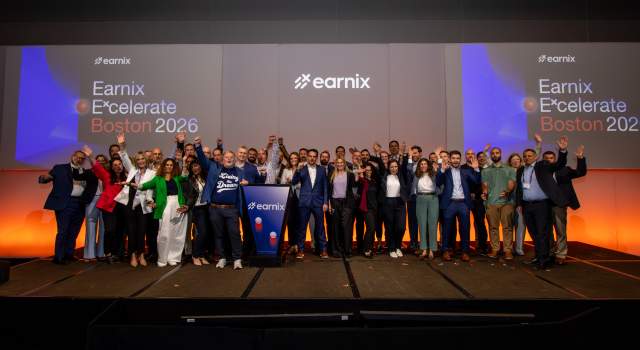


I spent the LIMRA Annual Conference in Grapevine, TX the way most people do: some time in the sessions, a lot more in the hallways and on the exhibit floor. The keynotes were about Driving What’s Next with AI, capital pressure, and changing customer expectations on the slides. However, the group benefits carriers I talked to were stuck on a much older problem. Spreadsheets. Hand-built rules. A colleague who “just knows.”
That’s still how too many group benefits pricing and underwriting decisions get made, limiting the speed, consistency, and effectiveness of decisions that directly influence business performance. Acquisitions can compound the problem.
I asked them: “How much of your renewal cycle is spent making the decision, and how much is spent finding what you need to make it?”
Most of them didn’t have to think about it. The disconnect was that obvious.
The Real System of Record Is Someone’s Memory
The pattern was consistent. Pricing and underwriting decisions still rely on spreadsheets, manually maintained rules, disconnected data, and a few experienced people who know which file to open, who to call and why a rule exists.
We call that institutional knowledge. I’d call it key-person risk embedded in your pricing and underwriting processes. It holds until one of them retires, or until M&A doubles the book overnight.
M&A Bought You Blocks, Not an Operating Model
For carriers that grew through acquisition, it’s worse. The blocks share a brand but not much else: different admin systems, different underwriting practices, different spreadsheets, and underwriting decisioning that may no longer match the parent’s governance model.
The broker experiences this as inconsistency. Same product, same employer profile, different answer depending on which block the case lands in. What appears to be a service problem is often a deeper challenge involving pricing consistency, governance, and operational execution.
Renewal Pricing Exposes Everything
A standard group renewal pulls from four places:
Actuarial owns the indication, including trend, credibility, and manual-to-experience blending.
Claims owns the experience.
Sales holds the broker and employer context: competitive pressure, relationship value, the quote that’s already circling.
Underwriting adds judgment, exceptions, and referral thresholds.
Every one of those inputs is legitimate. They usually live in different systems, and the “final answer” is assembled by hand.
The cost is hidden but large. By the time the data is gathered, reconciled, and validated, there’s no time left for the questions that make a renewal good instead of merely on time:
What does this rate action do to retention at this employer, not on average across the book?
What’s the profitability trade-off if we hold, soften, or push, relative to target loss ratio?
Where is there room to maneuver inside the actuarial indication and approved guidelines?
In many new renewal processes, there is limited time to fully explore these questions. The reason is not carelessness. The calendar simply doesn’t allow it. That’s how you get a market that is slow and inconsistent: manual handoffs, duplicated data, and decisions that depend on who touched the file.
The Take I’ll Defend
The next phase of group benefits modernization depends on connecting existing data, models, and workflows so insurers can make more consistent, informed decisions.
You don’t have a data scarcity problem. Indications, claims experience, census and employer characteristics, broker history, and underwriting rules already exist. They just don’t meet at the point of decision.
Introducing AI into fragmented workflows without addressing the underlying disconnects risks amplifying inconsistencies rather than improving decisions. And any model whose logic you can’t version, explain, or audit won’t survive an internal model-risk review, let alone a regulator’s questions.
Orchestrate. Don’t Rip and Replace.
The standard response to disconnected systems is a multi-year core replacement. Many carriers don’t have the appetite, the budget, or the runway for it, and for this problem they don’t need it.
A better path is to connect decisioning and orchestration across existing systems, bringing data, pricing models, underwriting logic, and workflows together in a governed environment. It connects data through APIs, centralizes pricing and underwriting logic in one governed place, and automates the workflow. It also lets teams test and optimize options before a renewal goes out, then deploy decisions with approvals, version control, and an audit trail.
That’s where Earnix fits. One clarification, because it matters: this is not about replacing actuarial judgment. Actuarial sets the indication. The goal is to determine the most appropriate commercial action within the indication and carrier-approved boundaries, consistently and quickly, with a record of why.
Start with Renewals
If I were sequencing the work for a group carrier, renewal pricing would be first:
It recurs. Every cycle compounds the benefit.
It’s measurable. Cycle time, retention, rate adequacy, and loss ratio all show movement.
It cuts across functions. Actuarial, claims, underwriting, and sales all feel the improvement, and so do brokers and employers.
It’s contained. You can prove value without a program the size of a core migration.
The Question I’m Leaving With You
LIMRA’s agenda was full of talk about the future of work. For the people pricing and underwriting group business every day, that future comes down to a trade: less time chasing information, more time making decisions.
So where does your renewal process get held up: the data, the handoffs, or the governance? And if you could fix one thing first, what would it be?
For a closer look at how insurers can modernize group benefits renewal pricing, explore the Earnix solution brief, Group Benefits: Rebuild Renewal Pricing Before Your Competitors Do.